




HOW CAN CLIMATE-SMART MOBILITY GUIDE CONTRIBUTE TO THE UN SUSTAINABLE DEVELOPMENT GOALS?
At the core of sustainable development lies a multi-layered development approach that encompasses environmental, social, and economic elements. Approximately 60% to 80% of energy consumption and 75% of carbon emissions occur in cities.
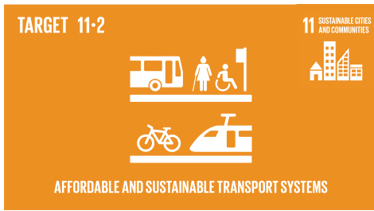
Therefore, it is essential to enhance public transportation systems to ensure that everyone has access to safe, affordable, accessible, and sustainable transportation solutions.

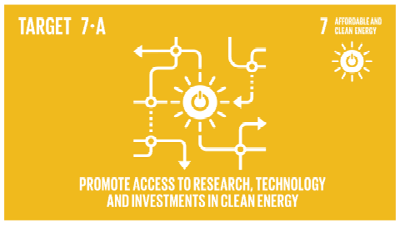
International collaborations should be strengthened through investment incentives to facilitate access to renewable energy, energy efficiency, clean energy research, and alternative fuel technologies.
Sustainable transportation systems based on renewable energy sources should be developed instead of fossil fuel-based transportation.

In the transition to a low-carbon economy, setting net-zero carbon emission targets, gradually phasing out fossil fuels, and shifting towards green energy and sustainable transportation methods have become essential for the continuity of future generations.
Among the goals that all countries worldwide should focus on, Climate Action, Goal 13, stands out, particularly in addressing environmental issues and combating climate change.
Source: https://www.kureselamaclar.org/
What we can do to achieve these goals:
- Through corporate carbon footprint calculations, organizations can measure their greenhouse gas emissions and set reduction targets.
- By calculating their individual carbon footprints, people can adopt habits that reduce their carbon impact.
- Implementing energy efficiency measures in buildings or using energy-efficient equipment can reduce consumption and greenhouse gas emissions.
- Projects aimed at promoting the use of renewable energy can be planned and implemented.
- By adhering to the zero-waste principle, separating waste at its source can increase recycling rates.
 Previous