



WHAT IS CLIMATE-SMART MOBILITY?
It refers to the preference for low and zero-emission transportation options. The greenhouse gases naturally present in our atmosphere trap the solar radiation reflected from the Earth, converting it into heat and causing it to spread more slowly into space. This keeps the Earth’s average surface temperature at 15°C, a temperature suitable for human life, instead of -18°C. Human activities, particularly the consumption of fossil fuels, have led to an increase in the amount of greenhouse gases accumulating in the atmosphere, strengthening the greenhouse effect and causing the Earth’s average surface temperature to rise.
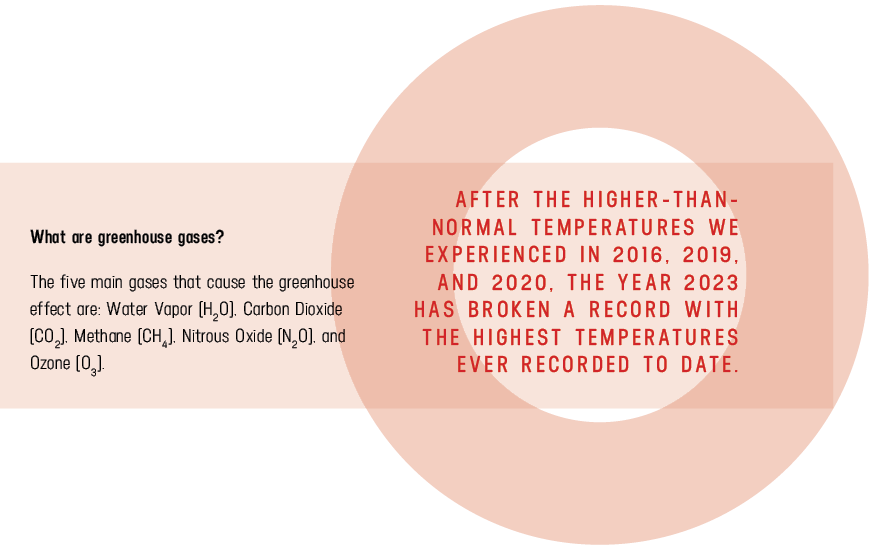
In recent years, while temperature increases have reached record levels, natural disasters are also occurring more frequently and with more devastating impacts. Climate change, heatwaves, and drought are increasing the frequency of forest fires and making their effects more pronounced.
Due to the accumulation of greenhouse gases from fossil fuel use and land use changes, the Earth’s surface temperature has risen compared to pre‑industrial times. The atmospheric concentrations of carbon dioxide (CO2), methane (CH4), and nitrous oxide (N2O) have reached the highest levels in at least the past 800,000 years. This indicates that the Earth’s surface temperature will continue to rise.
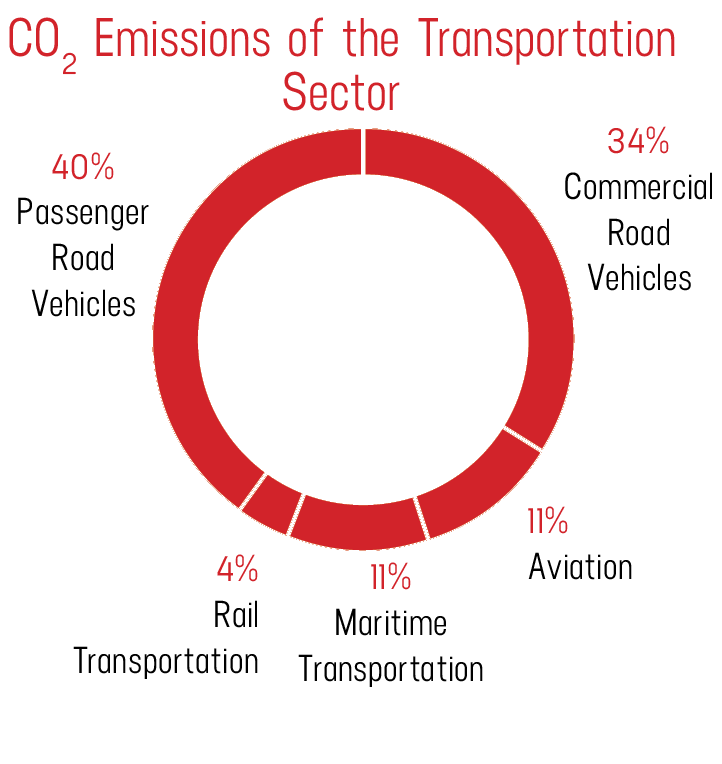
It is known that one-fifth of global greenhouse gas emissions come from the transportation sector.
Emissions of greenhouse gases such as carbon dioxide and methane are increasing day by day, further accelerated by mobility.
According to the Turkish National Greenhouse Gas Inventory, the increase in the number of vehicles, particularly those consuming diesel and gasoline, is one of the primary factors contributing to the rise in greenhouse gas emissions in road transportation.

As a result, the necessity for people to change their resource-consuming lifestyle has become evident. If we are living in an age of mobility, it should be a climate-smart mobility era.
But how?
Transportation emissions alone account for 24% of the energy sector’s emissions.
HOW CAN WE EXTEND THE LIFESPAN OF OUR PLANET WITH OUR DAILY CHOICES?
- In transportation, public transit can be preferred as much as possible.
- For short distances that can be covered on foot, walking or cycling can be chosen.
- Your driving style has a significant impact on the amount of emissions released into the atmosphere. There is a considerable difference between driving at normal RPM levels and driving at high RPMs. By avoiding high RPMs, adhering to speed limits, and steering clear of sudden braking, your vehicle will consume less energy, and carbon dioxide emissions will significantly decrease.
- You should avoid excessive speed. Fuel consumption increases at speeds over 100 km/h. If your vehicle has a cruise control feature, using it—or, if not, driving at or below the speed limits set by traffic regulations—will reduce your fuel consumption. Additionally, one of the main causes of traffic accidents is high speed.
- Air conditioners draw power from the vehicle’s engine, which increases fuel consumption and emits more emissions. Therefore, avoid using the air conditioning unless necessary. Especially in summer, when the vehicle is first started, the hot air inside should be released by opening the windows, and then the air conditioning can be turned on at a low setting. Once the system cools down, the windows should be closed. To reduce air conditioning use, window tinting can be applied within legal limits, or vehicles with factory-tinted windows can be preferred.
- Regular maintenance is crucial to ensure your vehicle’s safety, efficient performance, fuel savings, and extended lifespan. While the frequency of periodic maintenance depends on the vehicle and its usage, it is generally recommended to service gasoline and diesel vehicles after every 10,000 to 15,000 km.
- If there is unnecessary weight in your vehicle, you can reduce it. This will help decrease the amount of fuel your vehicle consumes. Make sure to reduce extra weight in your vehicle, except for essential items like the spare tire and first aid kit.
- Make sure your tires are properly inflated and regularly maintained. When tires are underinflated, your engine will use more power to move the vehicle forward. It is important to check the tire pressure according to the load of your vehicle (e.g., extra weight or passengers during long trips). Maintaining the proper tire pressure will help you save money. Correct tire pressure not only improves fuel efficiency but also extends the lifespan of your tires.
- Summer and winter tires are designed to provide optimal traction based on seasonal weather conditions. Using winter tires in the summer not only increases braking distance but also shortens the lifespan of the tire. When the air temperature drops below 7°C, it is recommended to switch to winter tires.
- If your vehicle has a start-stop feature, activating it in areas with heavy traffic and traffic lights can help reduce fuel consumption.
- Regularly check your emission systems. Your vehicle’s emission system ensures the efficient and smooth operation of the engine under all conditions. By performing regular emission tests and maintenance, you help protect the environment and can also save money. Keeping your emission systems in check is important.
 Previous